
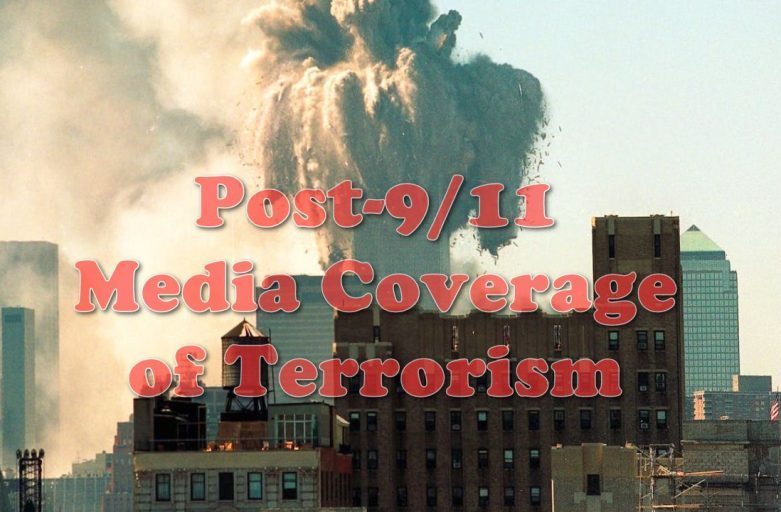

The terrorist attacks of September 11, 2001, changed the world. For many, it marked a shift in how terrorism was viewed and understood, especially through the lens of the media. News outlets, both in the U.S. and globally, played a pivotal role in shaping public perception of terrorism. This article explores how the media’s coverage of terrorism evolved after 9/11, highlighting its impact on public opinion, policy, and international relations.
Immediate Impact on Media Coverage
After the 9/11 attacks, the media’s coverage of terrorism became intense and constant. Television channels aired images of the planes hitting the World Trade Center and the aftermath. Among these images, one of the most enduring was of firefighters raising the 9/11 American flag at Ground Zero, a powerful symbol of resilience in the face of tragedy. These images are now etched in the memories of millions. The media quickly became a platform for sharing not just facts but also emotional reactions and political commentary. Journalists reported live from Ground Zero, giving audiences an up-close look at the horror. This coverage played a significant role in how people around the world perceived the threat of terrorism.
The Rise of Fear and Security Narratives
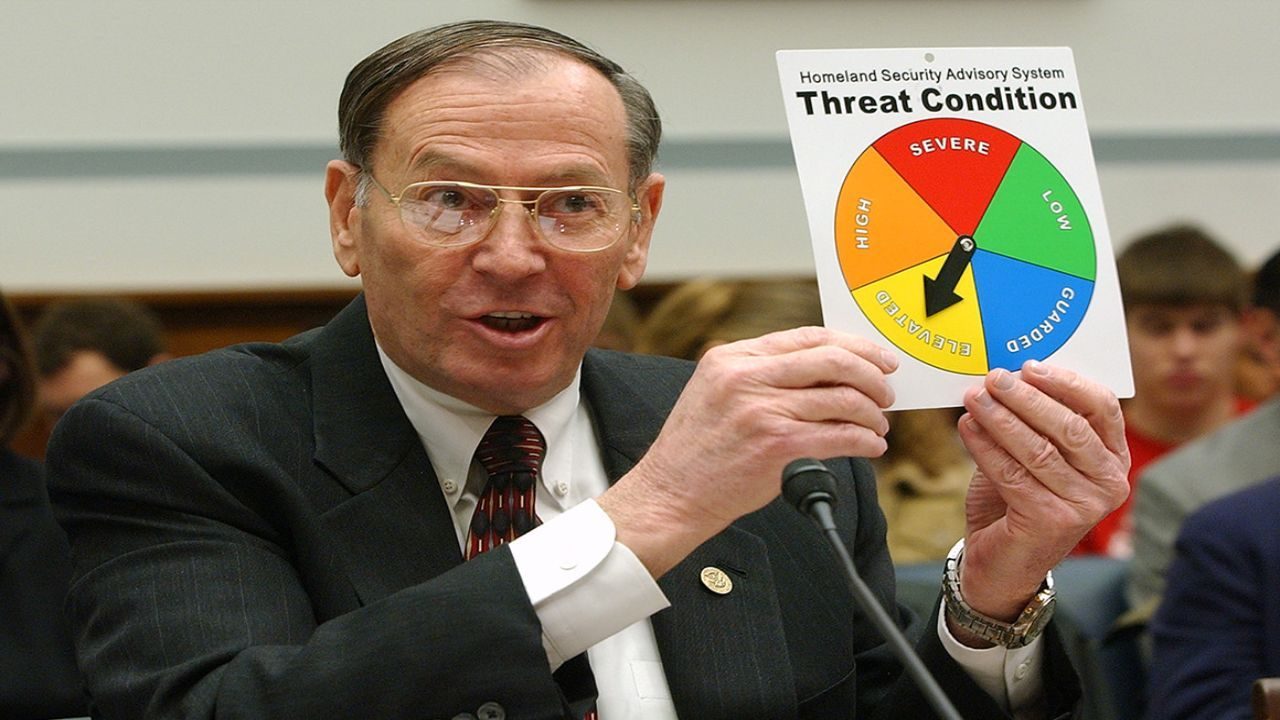
One of the most significant changes in media coverage after 9/11 was the rise of fear-driven narratives. The constant reporting of terror threats, attacks, and security breaches fed into a climate of fear. News outlets often used dramatic language, such as “high alert” or “imminent danger,” which reinforced the sense of vulnerability among the public. This fear-based coverage affected the way people viewed their own safety and shaped their opinions on security measures, such as the creation of the Department of Homeland Security and the implementation of the Patriot Act.
The media’s portrayal of terrorism also became intertwined with national security discussions. Terrorism was no longer seen just as a distant problem but as a direct threat to the security of the United States. As a result, discussions surrounding military interventions, such as the invasion of Afghanistan and Iraq, gained traction in mainstream media. This coverage influenced public opinion, leading many to support these interventions out of fear that terrorism would continue to spread if unchecked.
Changes in the Representation of Terrorist Groups
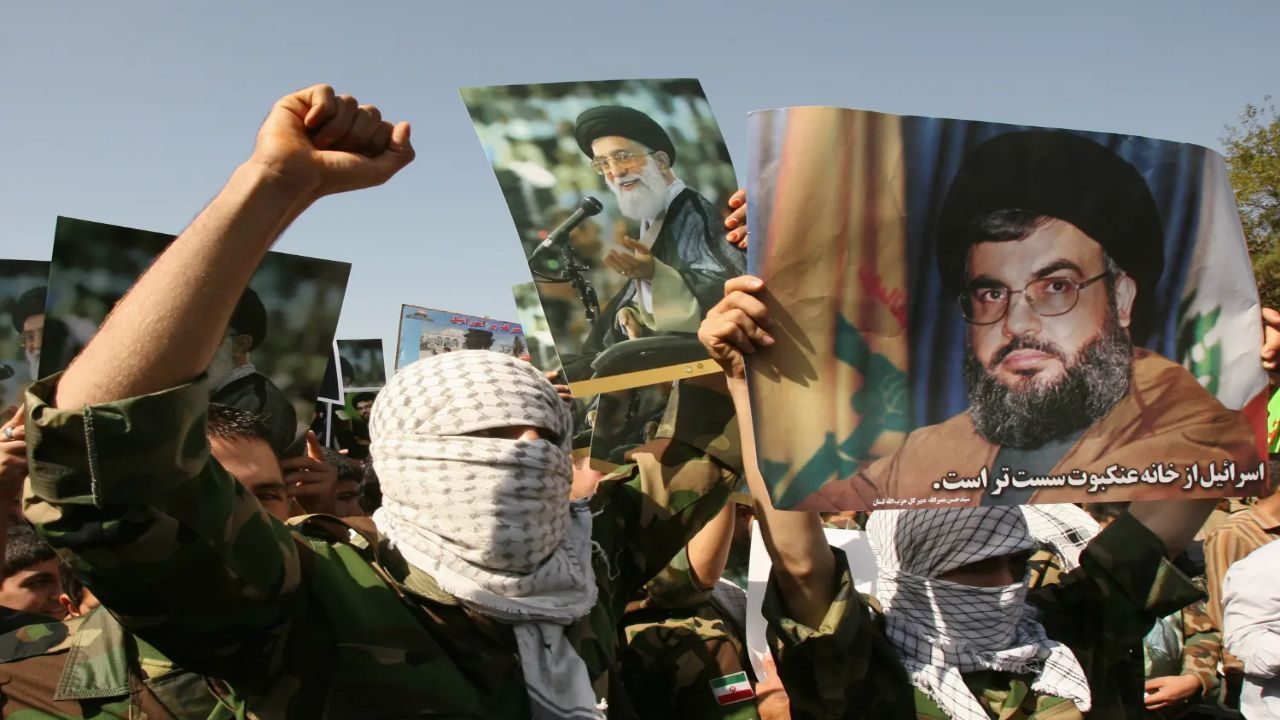
Before 9/11, terrorist groups like al-Qaeda were often portrayed as abstract, distant threats. After the attacks, however, the media began focusing more on specific terrorist organizations, their leaders, and their ideologies. Osama bin Laden became a household name. The media gave extensive coverage to his speeches, interviews, and video messages. This helped humanize terrorist groups in a way that was previously absent in mainstream coverage.
The media also began focusing on the global nature of terrorism. News stories increasingly highlighted how terrorist organizations were operating across national borders, using technology and social media to recruit followers. The portrayal of terrorist groups evolved from faceless organizations to complex, networked entities with clear objectives, creating a more nuanced understanding of terrorism. However, at times, this coverage also led to oversimplified portrayals, painting entire communities or religious groups with a broad brush, which led to negative stereotypes and discrimination.
Impact on Public Opinion and Policy
The way terrorism was covered in the media had lasting effects on public opinion and government policy. The constant focus on threats and the portrayal of terrorism as an ever-present danger created an atmosphere of fear and urgency. This environment influenced public support for policies such as increased surveillance, the use of drones, and even the justification of controversial wars.
The media also helped shape debates about civil liberties. The balance between security and privacy became a central issue after 9/11, with many arguing that the government was overstepping its bounds in the name of national security. The media played a critical role in both supporting and challenging the government’s actions.
The Role of Social Media in Shaping Coverage
By the time of the 2010s, social media began to play an increasingly important role in how terrorism was covered. Twitter, Facebook, and YouTube became platforms where news about terrorism spread quickly, often faster than traditional news outlets could report. Social media allowed for immediate reactions and updates, giving people a direct voice in the conversation about terrorism.
While social media democratized the flow of information, it also created challenges for the media. Misinformation and sensationalism became major concerns as rumors and unverified reports spread quickly. At the same time, social media gave terrorist groups a new way to reach a global audience, using videos and messages to recruit and spread their ideologies.
The media’s coverage of terrorism after 9/11 has been a complex and evolving narrative. It helped bring attention to the global threat of terrorism and influenced public opinion and policy. It also raised questions about the role of fear, security, and bias in shaping our understanding of these events. The lessons learned from post-9/11 coverage will remain an important part of our collective memory.