


Service companies in Canada have a trust problem. A potential client searching for help online doesn’t know you, hasn’t met your team, and has no way to assess whether you’ll show up on time and do the job right. That gap is exactly where blogging earns its keep. Companies like Special Force movers in Ontario & GTA have figured this out: a steady stream of genuinely useful posts attracts people already in research mode, already thinking about hiring someone, and already inclined to trust a business that answered their questions before they called.
The advantage is compounding. A post on how to pack a family home for a move doesn’t expire the way a paid ad does. It earns search rankings that stick, drawing in visitors who are actively planning a move. That reader, once helped, is far more likely to call than someone who was served an ad while watching a recipe video. Across the service sector in Canada, from HVAC to legal consulting to real estate, blog content is becoming one of the highest-ROI acquisition channels a business can run.
Why Service Businesses in Canada Underinvest in Content

Most service businesses here were built on referrals, and for a long time that was enough. The owner did good work, word spread, and a waiting list formed. Blogging felt like something tech companies did, not plumbers or personal injury lawyers.
The Business Development Bank of Canada consistently identifies digital visibility as one of the top growth challenges for Canadian SMEs, yet relatively few service businesses maintain a blog with any regularity. The ones that started writing even modest content three or four years ago now hold search positions that are genuinely hard to displace.
That compounding effect is what separates content marketing from paid search. A Google Ads campaign stops the moment the budget runs out. A blog post on “what to ask a moving company before you hire them” keeps bringing in traffic on its own, month after month, often at zero ongoing cost.
What Makes a Blog Post Actually Generate Inquiries
There’s a real difference between content that attracts readers and content that generates phone calls. Service companies sometimes mistake traffic for traction, and they invest in the wrong kind of posts.
The ones that actually convert tend to answer questions people ask right before they hire someone. “How much does X cost in Toronto?” outperforms “What is X?” because it targets buying intent, not general curiosity. “What to look for when hiring a [service type] in Vancouver” works for the same reason. The person isn’t browsing; they’re deciding.
Comparative content performs well in markets with clear alternatives. A paving company that explains the difference between asphalt and concrete sealing gets more inquiry calls than one that posts about its commitment to quality. Specificity signals expertise. Vague confidence signals nothing.
Setting a Sustainable Posting Cadence
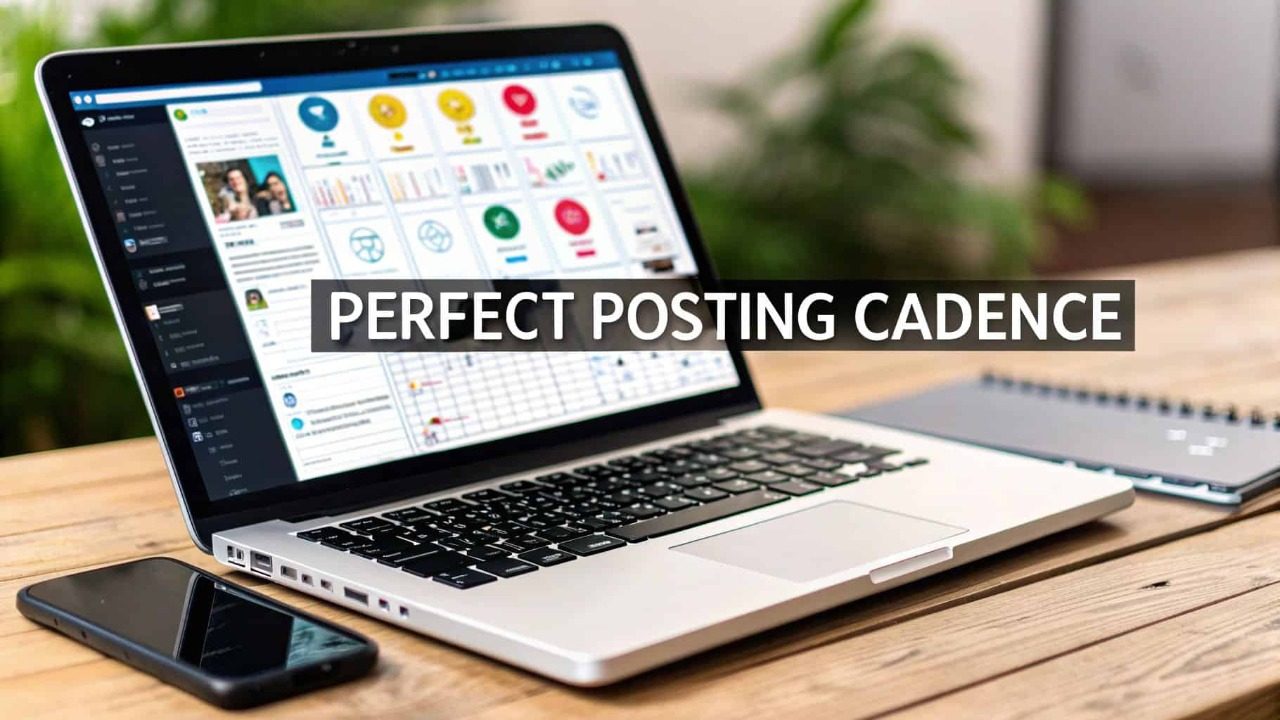
One thing kills more content strategies than anything else: an unrealistic schedule. A business that commits to daily posting, burns out after six weeks, and goes dark for four months is in a worse position than one that quietly publishes twice a month without missing.
For most service businesses, two or three posts per month is the right cadence. That’s enough to build indexed content over time, maintain search freshness signals, and develop a recognizable voice without draining the owner’s attention. Posts don’t need to be long. Seven hundred words of specific, genuinely useful content beats two thousand words of padded generalities.
The subject matter is already there. Staff at a roofing company have answered the same fifteen customer questions hundreds of times over the phone. Each of those questions is a blog post that writes itself and targets real search demand from real buyers.
Converting Readers Into Actual Clients
Traffic without conversion is vanity. The structural problem with many service business blogs is that posts function as broadcasts: informative but passive. The reader finishes, closes the tab, and that’s the end of it.
Every post needs a specific call to action tied to the content. A post on winterizing a rental property shouldn’t close with “Contact us for more information.” It should close with something like: “If you manage units in Calgary and want a pre-winter inspection, here’s how to book one.” The specificity is what converts. HubSpot’s State of Marketing research consistently shows that contextual CTAs matched to the surrounding content outperform generic contact links by a wide margin.
A phone number embedded mid-post, a quote request form within the article, or a direct calendar link can move someone from passive reader to active inquiry without making them hunt for a way to reach you.
Making the Habit Stick
The graveyard of abandoned business blogs is enormous. Companies launch with energy and good intentions, then discover that producing useful content every month is harder than it looked when someone pitched the idea.
A few habits separate content programs that last from ones that don’t. Keeping a running list of customer questions is the most underrated practice. Every time someone calls with the same question, that question goes on the list. Over a few months, the list becomes a full editorial calendar. The business never has to invent topics; it just answers what’s already being asked at volume.
Repurposing extends the life of existing work. A post from two years ago, updated with current figures and a new section, can re-enter rankings as if fresh. For businesses without the budget for a dedicated writer, this kind of content refresh is often more cost-effective than creating something entirely new.