


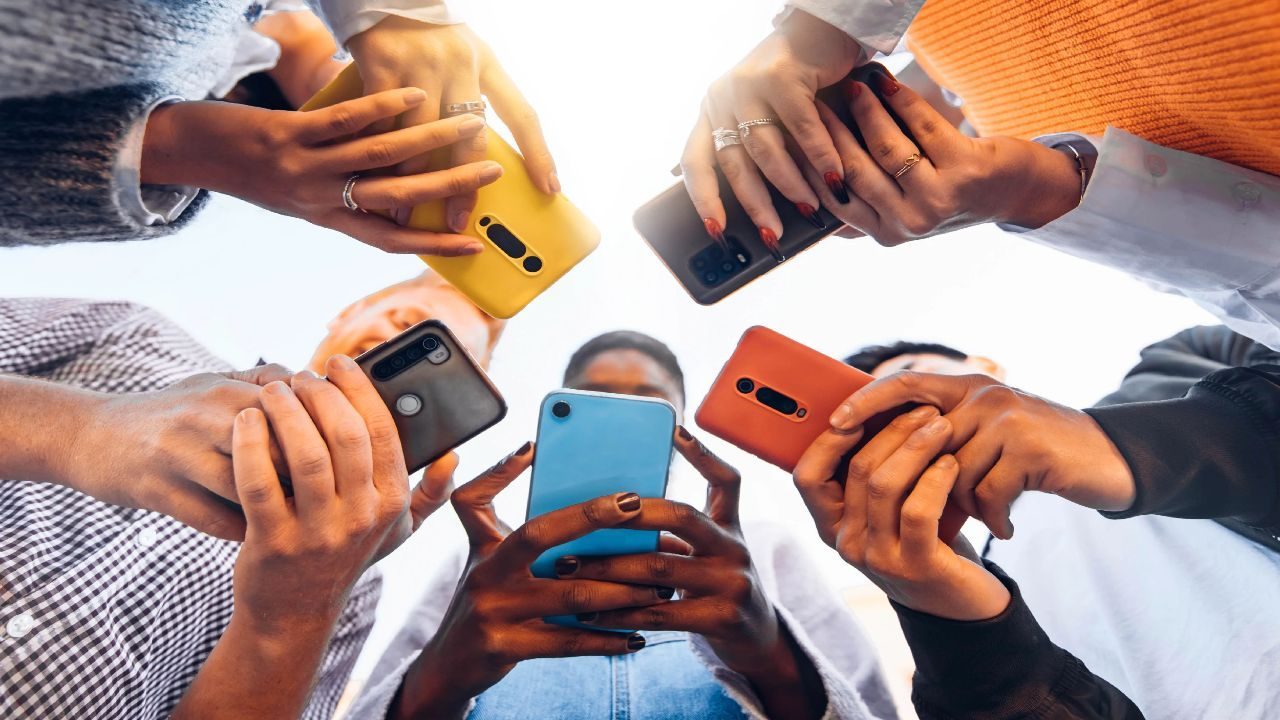
In today’s hyper-connected world, social media has become a goldmine of information. People share their daily routines, travel plans, relationship status, and even personal struggles—often without a second thought. For a private investigator in Melbourne and other cities, this constant stream of digital footprints can be both a useful tool and a tricky challenge. Let’s break down how social media is shaping the field of private investigation, for better or worse.
The Upside: How Social Media Helps Investigators

Easier Background Checks
One of the first things a private investigator does is run a background check. With social media, this task becomes much simpler. Facebook, Instagram, LinkedIn, and even TikTok offer valuable clues. Investigators can quickly verify employment history, relationships, and lifestyle habits.
Tracking Down People
Gone are the days when investigators had to rely only on phone books or paper records. Now, if someone is active online, they leave a trail. Check-ins, tagged photos, and friend connections can help locate a person much faster. Investigators often use social media to track down missing persons or confirm someone’s whereabouts.
Verifying Claims
Social media can also help in cases like insurance fraud or cheating partners. For example, someone might claim they’re injured and unable to work, but a recent video shows them dancing at a party. Posts like these can become strong evidence in court—if collected properly.
Saving Time and Resources
By gathering initial details online, private investigators can avoid spending hours following leads in the field. This saves time, cuts down costs, and allows them to focus on high-priority tasks. In some cases, a simple tweet or Instagram story can crack a case wide open.
The Downside: Where Social Media Gets Risky
Fake or Misleading Information
Not everything online is true. People often exaggerate or hide the facts on social media. Someone might post photos from years ago, pretending they’re recent. Others might use fake names or private accounts. This can mislead investigators and send them in the wrong direction.
Privacy Laws and Legal Limits
Private investigators must follow strict privacy laws. They can’t just hack into accounts or use fake profiles to trick people. Any information used in a legal case must be gathered within legal limits. If not, it could get thrown out in court and even harm the investigator’s reputation.
Too Much Noise
Sometimes, there’s just too much information. A person might have thousands of posts, likes, and shares. Sorting through all of it can take hours and still lead to dead ends. Investigators need to know what to look for and how to filter the noise.
Risk of Getting Noticed
If an investigator views a profile too many times, sends a friend request, or interacts with a post, they could raise suspicion. The subject might get alerted and start hiding their activity. In worst cases, they might delete everything—cutting off access to useful clues.
Striking the Right Balance
Social media is a powerful tool, but it’s just one part of a private investigator’s toolkit. The best investigators know how to use it wisely—gathering facts, checking sources, and staying within the law. They combine online research with real-world surveillance, interviews, and background checks to get the full picture.
For someone hiring a private investigator in Melbourne, it’s important to choose a professional who understands the benefits and risks of using social media in an investigation. A good investigator won’t rely on social media alone. Instead, they’ll treat it as a helpful lead, not the whole story.
In Summary
Social media has changed how private investigations are done. It’s faster, smarter, and more connected than ever. But with that comes the need for caution, skill, and strong ethics. In the right hands, a single Instagram post or tweet can unlock answers. In the wrong hands, it can lead to trouble. Make sure your investigator knows how to navigate today’s digital world—carefully and legally.