
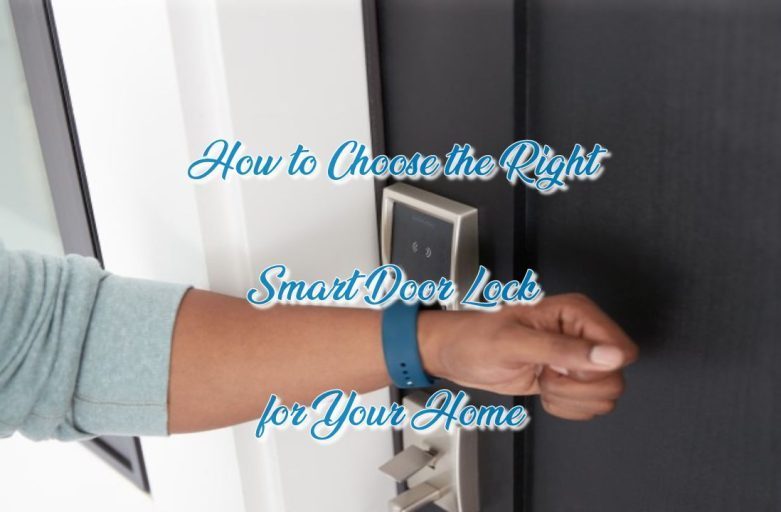

Smart security has quickly become a staple of modern living. From video doorbells to Wi-Fi-enabled alarm systems, homeowners now have access to a wide range of tools that make protecting a property easier and more reliable. Among these innovations, the smart door lock stands out as both practical and transformative. With options like a face scan door lock available on the market, today’s homeowners can move beyond the limits of traditional keys and invest in security solutions that match their lifestyle.
Choosing the right lock, however, goes beyond just picking the latest model. It requires careful thought about your home’s needs, the type of access you want to allow, and how the lock fits into your overall security plan. By weighing factors like compatibility, features, and design, you can select a lock that keeps your home secure without sacrificing convenience.
Evaluate Your Home’s Entry Points
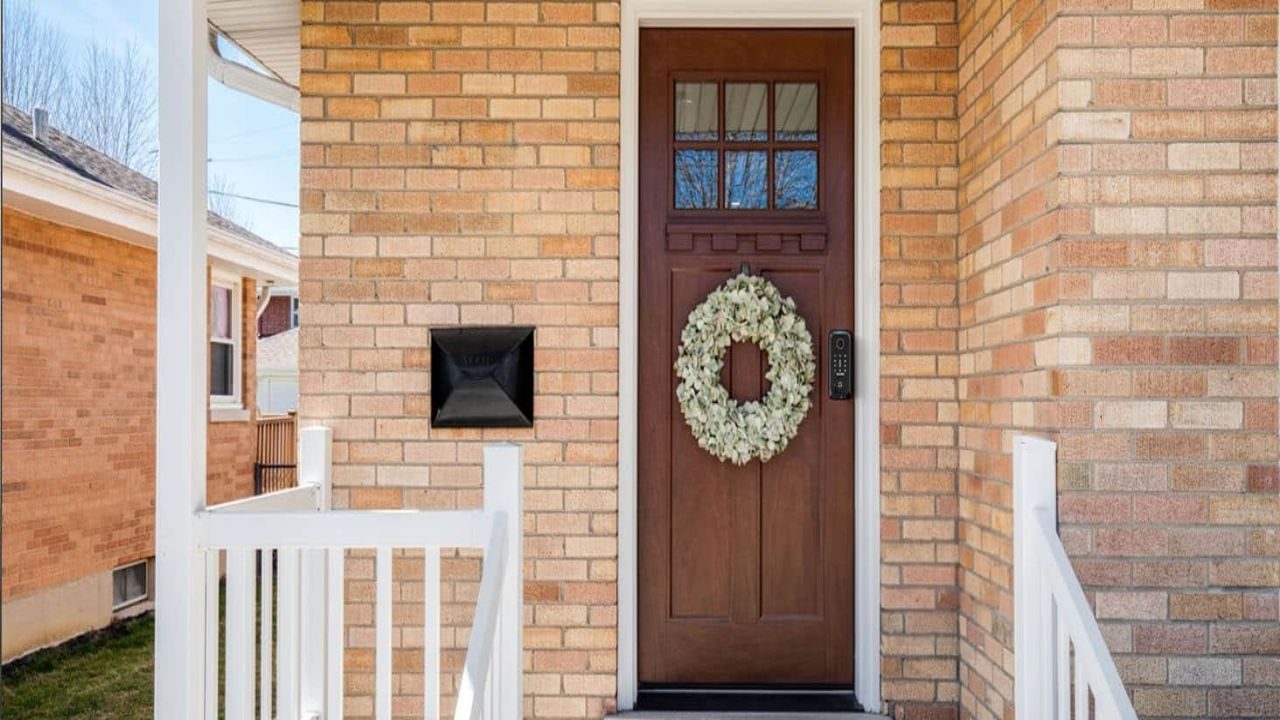
The first step in choosing a smart door lock is assessing where it will be installed. Not all doors are created equal, and the placement will affect the type of lock you should choose. A front entryway, for example, might call for a lock with advanced authentication methods, while a side or back door may only require simpler keypad access.
Door construction is another critical factor. Solid wood or metal doors can handle heavier, more robust locks, while lightweight doors might need models designed for less strain. You also need to check the existing deadbolt setup. Some locks are designed as complete replacements, while others are retrofit models that fit over your current hardware.
Finally, consider the frequency of use. A primary entrance sees daily traffic and demands durability, while a rarely used guest entrance might benefit more from convenience than high-end features. Matching the lock’s capability to the door’s role ensures reliable performance.
Consider Authentication Options
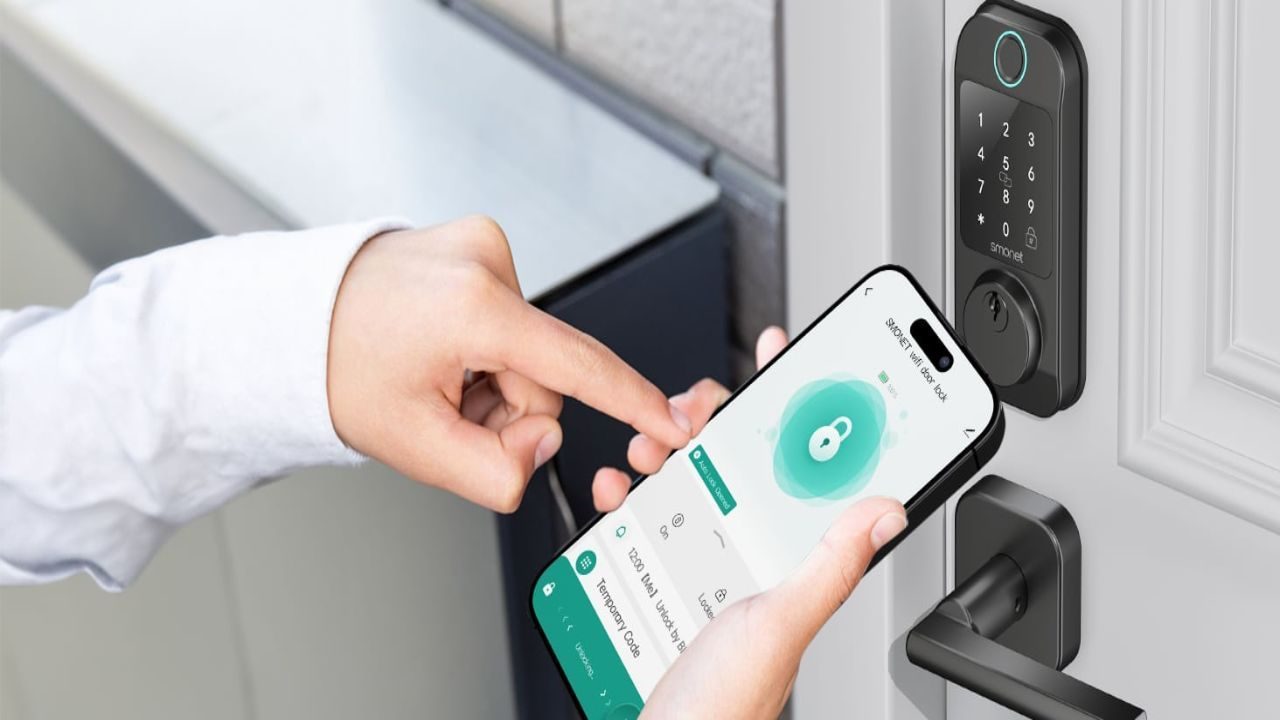
Smart locks now offer a wide variety of ways to verify access, and the best option depends on your household’s needs. Keypad entry is one of the most common, giving you the ability to assign unique codes for family members or visitors. Biometric solutions, such as fingerprint recognition, provide an added layer of security while removing the need for codes or keys altogether.
Some models also feature mobile app integration, letting you unlock or lock the door remotely. This can be especially useful for families who often forget to lock up or for welcoming guests when you’re not home. For higher security, advanced features like two-factor authentication combine multiple methods, such as requiring both a code and a smartphone approval.
When evaluating options, think about how you and your family move in and out of the home each day. A system that is too complex may be ignored, while one that balances convenience with reliability will be used consistently.
Prioritize Security Features
A smart door lock must first and foremost keep your home safe. While convenience is valuable, you should look closely at what protections the lock provides against tampering and forced entry. Models with reinforced hardware and anti-drill plates make it harder for intruders to bypass. Some also include built-in alarms that sound if the lock is being manipulated.
Encryption is another key element. A lock that communicates with your phone or smart hub should use strong encryption to prevent hacking attempts. Check whether the device has received certifications from recognized security organizations, as this can be a sign of reliability.
It’s also worth looking at how often the manufacturer provides firmware updates. A smart lock is essentially a piece of software as much as it is hardware, and timely updates are essential to keep it secure against evolving threats.
Check Compatibility With Smart Home Systems
Many smart locks are designed to work within broader smart home ecosystems. If you already use devices like Amazon Alexa, Google Home, or Apple HomeKit, you’ll want a lock that integrates smoothly with them. This allows you to lock or unlock your doors with voice commands or include them in automation routines, such as locking all doors when you activate “Away” mode.
Compatibility also extends to connectivity. Some locks connect through Bluetooth, which can limit their range, while others use Wi-Fi or Z-Wave to link with smart hubs. Think about the coverage in your home and how reliable your internet connection is, as this will influence performance.
The more seamlessly a lock integrates with your existing system, the less hassle you’ll encounter in daily use. Choosing a model that complements your current setup ensures a smoother and more unified security experience.
Balance Design and Usability
Security devices no longer need to be purely functional. Many modern smart locks are designed to blend with your home’s style while still providing robust protection. You can find finishes ranging from sleek matte black to polished brass, making it easier to match your door’s hardware.
Ease of use is equally important. A smart lock should not feel complicated or intimidating. Intuitive interfaces, clear keypads, and responsive sensors all contribute to a better user experience. Some models even feature auto-lock functions that secure the door after a set time, reducing the chances of leaving it open.
Since the lock is something you’ll interact with daily, consider how comfortable and natural it feels to use. The right balance between design and usability ensures that the lock fits seamlessly into your routine.
Plan for Power and Maintenance
Unlike traditional locks, smart locks require a power source. Most run on batteries, and while these can last months or even a year depending on usage, you’ll need to plan for replacements. Look for models with low-battery alerts or backup power options to avoid being locked out unexpectedly.
Some locks also allow for mechanical key overrides, which can be a useful backup in case of power failure. Others come with emergency charging ports that let you temporarily restore power with a standard power bank.
Maintenance goes beyond power. Regularly check firmware updates, clean sensors if applicable, and monitor wear on moving parts. A well-maintained smart lock will provide consistent performance and remain a dependable part of your home’s security system.