


A home sale can lose momentum long before the price changes. Sometimes the listing is solid, the photos are decent, and the house itself shows well, yet the property still feels quiet. That usually means the marketing is doing too little too late. Social media can help change that. Used well, it creates early attention, gives buyers a reason to save and share the listing, and keeps the home visible in the days when fresh interest matters most.
The mistake is thinking social media works like a lucky break. It does not. Homes rarely move faster because of random posting. They move faster when the seller and agent treat social media like a structured campaign. The content needs a purpose. The visuals need discipline. The follow-up needs speed. When those pieces line up, social media stops being background noise and starts helping the sale.
Treat Social Media as Part of the Sales Strategy

Many homeowners hit a stressful point and start searching for something like how to sell my house fast for cash because speed suddenly matters more than anything else. Social media offers a different path. It can help create urgency on the open market before a seller gives up on price, presentation, or reach. That only works, though, when the content supports the listing instead of repeating it.
A good social media plan should begin before the home is fully live, not after the listing starts to feel stale. That means deciding which platforms matter most, what type of buyer the property is likely to attract, and what story the home should tell online. A sleek downtown condo may need sharp vertical video and neighborhood lifestyle clips. A family home may perform better with warm photography, outdoor features, and content that highlights ease of daily living.
The key is coordination. Social media should work with the listing strategy, not compete with it. When posts, showings, listing photos, and agent outreach all reflect the same message, buyers get a clearer impression of the home and move faster from curiosity to action.
Lead With Images That Make People Stop Scrolling
People decide in seconds if a home is worth their attention online. That makes visual quality one of the biggest factors in social media performance. Blurry photos, dark rooms, crooked angles, and cluttered surfaces do more damage than many sellers realize. On a fast-moving feed, weak visuals do not get a second chance.
Strong images do more than show rooms. They set mood. They create pace. They help buyers picture how the house lives, not only how it looks on paper. The best social media posts often start with the strongest first impression in the home. That may be the kitchen, the front elevation, a dramatic stairwell, a pool terrace, or a living room with natural light that feels easy and warm.
This is where home staging and thoughtful editing matter. Social media rewards spaces that feel clean, calm, and intentional. Buyers often save posts that look aspirational even when the styling is simple. A room does not need expensive furniture to work online. It needs clarity, scale, and a visual focal point.
Build Content Around Lifestyle, Not Only Square Footage
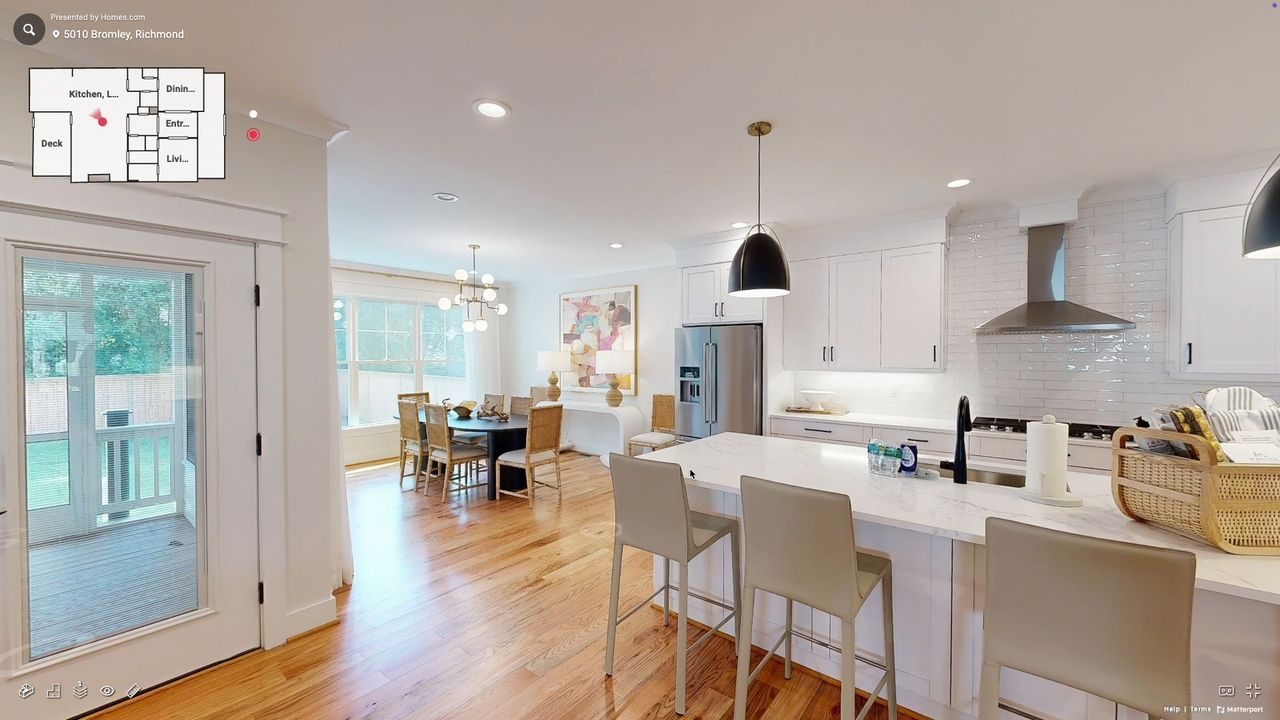
A listing sheet gives measurements and features. Social media should show the experience of the home. Buyers respond faster when they can picture mornings in the kitchen, late afternoons on the patio, or the ease of walking to nearby cafés, parks, and shops. That kind of content makes the listing feel more human and less like a digital brochure.
This is especially useful when a home has details that do not fully register in still photos. A breakfast nook with soft light, a home office with privacy, a mudroom that keeps daily life organized, or a backyard set up for entertaining can become selling points when shown in the right context. Social media gives sellers room to highlight those moments without cramming them into a long property description.
That does not mean every post should feel staged for drama. In fact, forced content often performs worse. A more effective approach is to choose a few lifestyle angles that genuinely fit the property and repeat them with consistency. That helps the right buyers connect with the home faster because the message feels focused instead of scattered.
Use Video to Create Momentum Before and After Launch
Video helps buyers feel the home’s flow in a way static images cannot. A short walkthrough, a quick reel of standout features, or a simple neighborhood clip can create more interest than a long block of listing text. A good video also gives agents more material to repost, share in stories, and use in paid promotion during the first stretch of the listing.
Short-form video works best when it respects attention span. One polished minute can do more than five slow minutes with background music and no structure. Start with the strongest hook. Move through the spaces with purpose. End with a clear reason to book a showing or request details. Buyers do not need every corner of the home in one clip. They need a reason to want more.
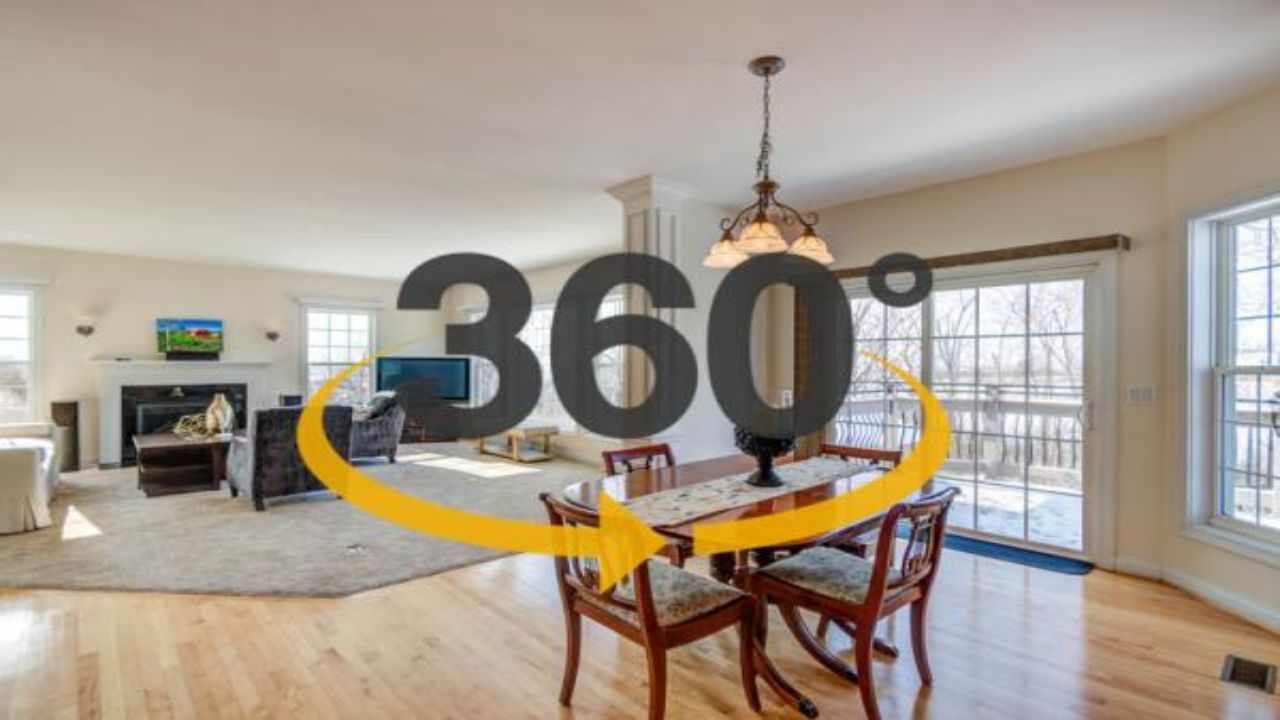
Longer assets still have value in the right place. Virtual tours can help serious buyers qualify themselves before they visit in person. That can save time for sellers and agents while improving the quality of showing traffic. Social media can then act as the front door, leading viewers toward the full listing experience.
Turn Attention Into Showings Quickly
The biggest gap in many social media campaigns is follow-up. A post gets strong engagement, people comment or share it, a few direct messages come in, and then the momentum fades because no one responds fast enough or clearly enough. Attention has a short shelf life online. If someone asks for the price, the open house time, the school district, or a private tour, the response should feel prompt and easy.
That is why clear calls to action matter. Every strong social post should point viewers toward one next step. Book a showing. Request the full listing. Ask for the disclosures. Visit the open house. Message for details. Too many choices weaken response. One direct next move usually performs better.
It also helps to plan the response system before the posts go live. Decide who will answer messages, how quickly they will reply, and what information they will send first. A faster sales result often comes from better handling of interest, not only better content.
Stay Accurate, Fair, and Professional Online
Speed should never come at the expense of credibility. Social media makes it easy to exaggerate, overedit, or drift into language that creates legal or ethical problems. A post that makes a room look larger than it is, hides a material issue, or uses exclusionary language can create far bigger trouble than a slow listing ever would.
The goal is to present the home in its best light while still giving a clear and honest picture. That applies to captions, hashtags, video editing, testimonials, and influencer-style content as much as it applies to the official listing itself. If a post includes endorsements, reviews, or a paid promotional angle, transparency matters.
Professionalism also builds trust with buyers. A calm, accurate, well-run social campaign signals that the sale is being handled seriously. That alone can improve response quality. People tend to move faster when the listing feels credible from the first post through the first showing.
Social Media Works Best When It Supports a Full Marketing Plan
Social media can help sell a home faster, but it works best as an amplifier, not a standalone solution. It can widen reach, sharpen first impressions, and drive early interest that might otherwise be lost. What it cannot do on its own is fix weak pricing, poor presentation, or a listing strategy that lacks discipline.
The strongest results usually come from layering smart social media content onto strong fundamentals. Clean pricing. Sharp photography. Good staging. Fast follow-up. Clear agent communication. Broad listing exposure. Those pieces create the base. Social media then adds pace, visibility, and repeated buyer touchpoints that help the right person act sooner.
That is the real advantage. Social media gives a home more chances to be noticed, remembered, and shared in the narrow window when attention is most valuable. When handled with care, it does not make the sale feel louder. It makes the sale feel more active, more polished, and more likely to move.