


Social media has become an essential part of daily life. From connecting with friends to sharing personal moments, it influences many aspects of our routines. One area where social media has quietly made a significant impact is math education. You might not think of math when scrolling through Instagram or TikTok, but these platforms are opening up new ways to explore, learn, and enjoy math. Let’s explore how social media and math connect and the benefits of this unlikely combination.
Math in Everyday Conversations

Social media is full of conversations. Whether it’s trending topics, viral challenges, or educational content, discussions on these platforms can revolve around nearly anything—including math. People share fun math facts, puzzle challenges, and logic problems that get others thinking. These informal interactions encourage users to engage with math in a casual setting. For instance, many viral posts on social media involve math riddles. From basic calculations to complex puzzles, these posts often go viral, sparking debates in the comments. This interaction leads to natural engagement with math concepts. Even those searching for a maths tutor in Newcastle or any other city may find helpful online content to supplement traditional learning methods.
Math Influencers and Educators
Social media has given rise to a new kind of celebrity—math influencers. These educators use platforms like YouTube, Instagram, and TikTok to break down complex math topics into simple and engaging content. With short videos, interactive posts, and live tutorials, math influencers make learning both fun and accessible.
Accounts like “Numberphile” on YouTube or Instagram influencers who focus on teaching algebra and calculus attract millions of followers. They help people understand difficult mathematical concepts by using real-life examples, animations, and simple explanations. This visual and interactive approach makes math less intimidating and more enjoyable.
Math Challenges and Competitions

Challenges are a huge part of social media culture. While dance challenges and food trends dominate platforms like TikTok, math challenges are also gaining popularity. These challenges often involve solving puzzles or equations in a set amount of time and posting the results online. Other users then try to beat the time or come up with alternative solutions.
The competitive aspect of these challenges motivates people to engage with math in a playful way. It turns learning into a fun activity rather than a chore. By tapping into people’s natural desire to compete and share, social media helps make math more accessible and attractive to a broader audience.
Educational Tools and Resources
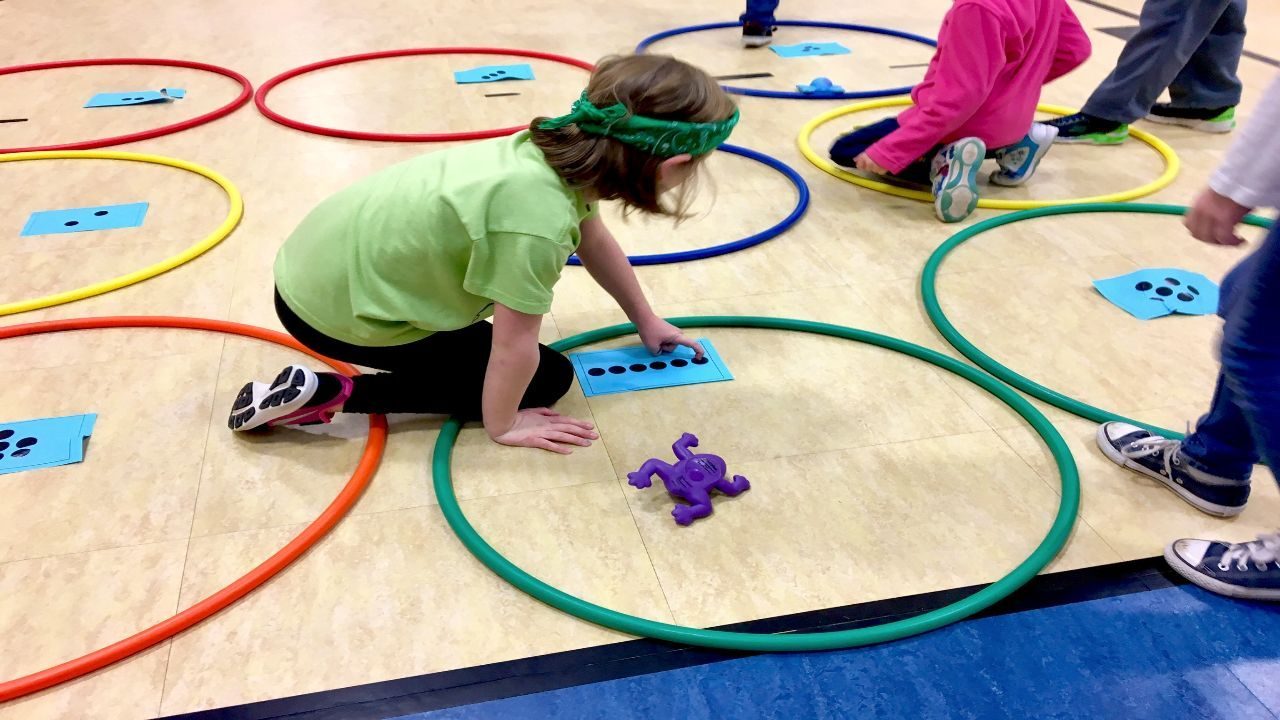
Social media has also become a platform for sharing math resources. Teachers, students, and math enthusiasts post everything from worksheets and practice problems to full tutorials on specific topics. With a simple hashtag search, you can find resources on anything from basic arithmetic to advanced calculus.
Teachers often share tips on how to make math lessons more interactive, while students can find help with homework. Platforms like Pinterest offer ideas for creative math-related projects, while Twitter is home to educators who share real-time updates on educational trends, including math teaching strategies.
Visual Learning Through Social Media
Math is often considered a difficult subject because many people find it hard to visualize abstract concepts. Social media, however, offers new opportunities to make math more visual and relatable. Instagram posts, for example, are highly visual, and many accounts dedicated to math use this to their advantage.
By using infographics, colorful graphs, and animated videos, these platforms make learning math easier to understand. For instance, a complex calculus problem can be broken down into a series of steps, each accompanied by a visual representation. This approach helps people see math in a new light and can make difficult concepts easier to grasp.
Conclusion
Social media and math may seem like an unusual pair, but they have become increasingly connected in today’s world. From viral math challenges to influencers who make learning fun, social media has given math a fresh and engaging platform. It’s encouraging people, especially younger generations, to approach the subject in a new way. By turning math into something social and interactive, these platforms make it more enjoyable and approachable for everyone.