
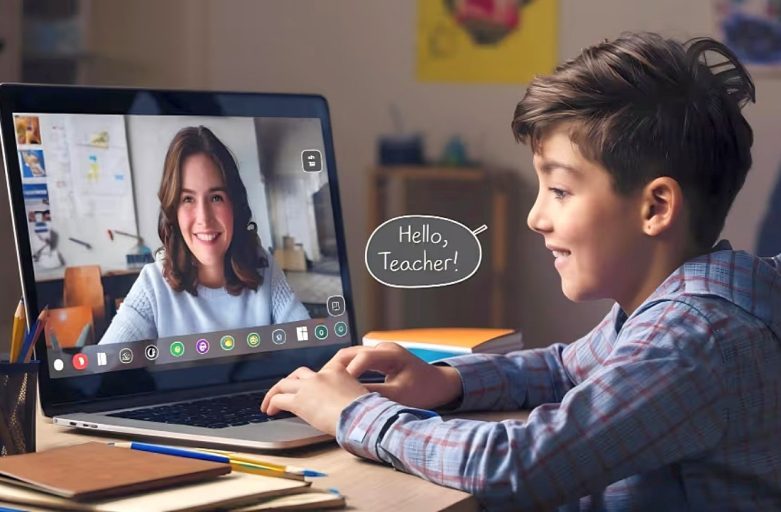

Math has always been one of those subjects where the gap between “I get it” and “I’m lost” can open up inside a single lesson. For years, the answer was either to hire an in-person tutor or let the student suffer through homework in silence. Neither worked for most families, and most families knew it.
Online math tutoring platforms changed the arithmetic, and not by shouting about it. They made expert help accessible at 9 pm on a Tuesday, matched students with tutors who actually remember what it felt like to get stuck on simultaneous equations, and built the kind of patient, repeat-session rapport that used to only happen in living rooms. The interesting question isn’t whether online tutoring works. It’s why some platforms keep students coming back for months while others lose them after two sessions.
What Separates a Useful Tutoring Platform From a Forgettable One
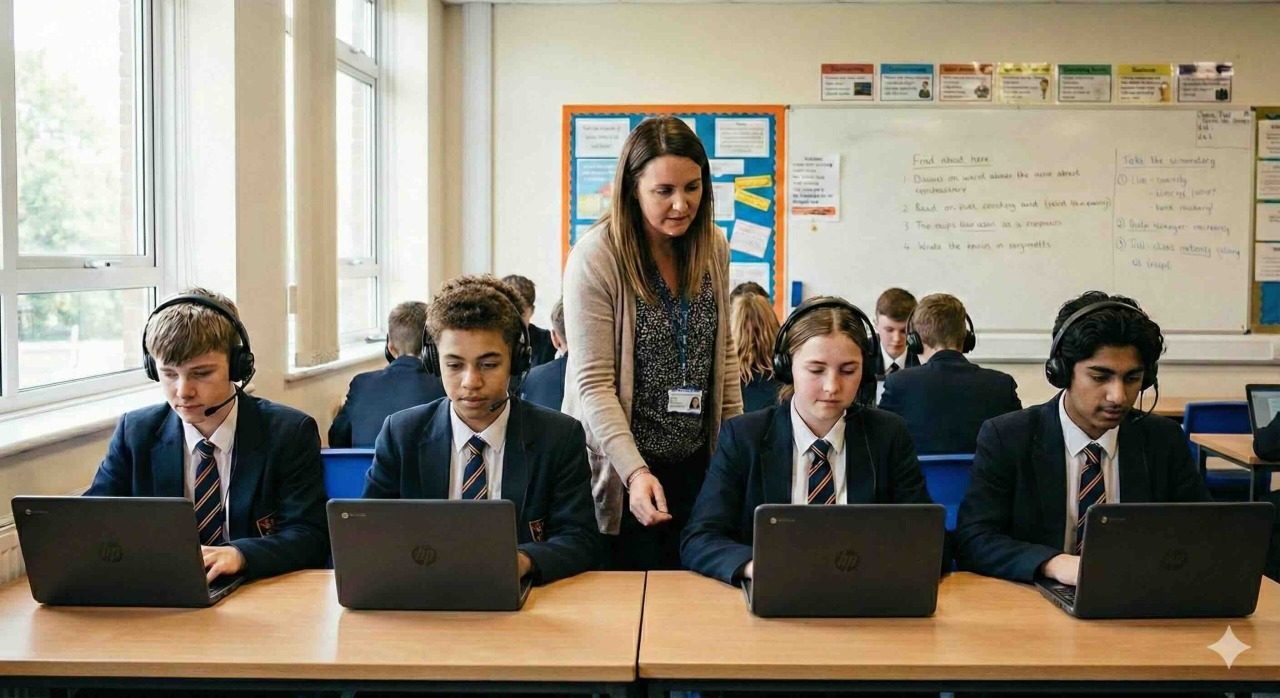
The thing most platforms underestimate is that math anxiety is real, and it doesn’t disappear the moment a student logs into a video call. If the first session feels like a test, the student tunes out. Good platforms treat that fear as the actual problem to solve, not as a side effect of teaching. Building confidence in math is slower and less glamorous than drilling algorithms, but it’s what keeps families paying for month three and month six.
The evidence backs this up. A report from the National Center for Education Statistics found that students who reported stronger self-concept in math significantly outperformed peers with comparable ability but lower confidence. Platforms that take this seriously tend to do slightly unusual things at the start: low-stakes diagnostic chats instead of tests, warm-up problems the student already knows how to solve, short first sessions that prioritize comfort over content. The teaching itself comes later, once the student isn’t bracing for embarrassment.
The Tutor Matters More Than the Software
There’s a temptation in ed-tech to solve tutoring with better software. Smarter dashboards, prettier whiteboards, AI hint systems that surface the next step. Some of this helps. Most of it is noise if the human on the other end is boring, impatient, or talking at the student rather than with them.
The best online tutors share habits that don’t show up in marketing pages. They ask students to explain their reasoning back before correcting anything. They wait longer than feels comfortable before offering a hint. They admit when a problem is genuinely tricky instead of bulldozing through. Students notice all of this within the first fifteen minutes and decide, quietly, whether they want to come back next week
Worth saying plainly: platforms that invest in recruiting and training tutors almost always outperform those that invest the same money in new interface features. A decent tutor with basic tools is more useful than an average tutor with an impressive whiteboard. This is not an especially popular view inside product teams, but it holds up every time you talk to the students themselves.
Parents Are the Silent Second Customer

On paper, the student is the user. In practice, parents pay, and they need to see progress they can actually understand. A six-page analytics dashboard does less for a parent than a two-sentence note after each session: “we worked on word problems, she got most of them on her second attempt, we’ll do more of these next Wednesday.” That kind of plain-language check-in keeps parents calm in a way no dashboard quite does. If the tutor can slip in a specific observation, say the student tried a mental shortcut that actually worked, or pushed through a problem she would have given up on last month, so much the better.
This also matters for retention. A parent who feels looped in rarely cancels. A parent who hears nothing for two weeks starts asking whether the money is worth it, even when the student is making real progress underneath. The communication layer sits next to the teaching layer in importance, and it’s usually the cheapest thing to fix.
Scheduling Is the Hidden Battle
Families don’t usually cancel tutoring because the math wasn’t good. They cancel because the Wednesday session kept getting rescheduled, and then they lost momentum, and then the whole thing just stopped. Scheduling sounds boring until you look at the churn data. It’s almost always the first domino.
Two things help. A consistent weekly slot with the same tutor, rather than a rotating roster, anchors the habit. And rescheduling needs to be genuinely easy, not buried behind three screens. When a tutor gets sick or a soccer practice runs late, the family that can move the session in thirty seconds is the family that still has tutoring a year later.
Asynchronous support between sessions helps too. A student who can send a homework photo on a Sunday night and get an explanation back within a few hours stays in the habit of asking questions, which is honestly half the point of tutoring anyway.
Measuring What Actually Matters

Test scores are the obvious metric and the easy one to market. They’re also lagging, and sometimes misleading. A student who joined at the bottom of the class will often take three or four months to show up in grade reports, even when the underlying understanding has shifted considerably before then.
Better platforms track softer signals alongside the grades: whether the student is starting homework earlier in the evening, asking questions in class, volunteering to go to the board. These signals show up weeks or months before test scores move. The American Mathematical Society has written about the importance of dispositional growth sitting alongside skill acquisition, and the practical point is that one usually precedes the other by a meaningful gap. A platform that only reports test scores is missing the part of the story that matters most to the student.
None of this is to argue against benchmarks or test prep. They still matter, and a student heading into a standardized exam needs focused practice on exactly the kinds of questions the exam uses. The argument is only that if the grade is the only metric a platform reports, it will consistently undersell its own work and lose families who were on the edge of seeing real change.